
Back to Journal
QIANDU Journal

How Korean beauty brands enter APAC through local distributors

Published 2026-06-23Updated 2026-06-23

For Korean beauty brands, international growth is rarely a simple export transaction. It usually depends on distributor fit, regulatory readiness, localized storytelling, and a partner that can connect Korea-based sourcing with in-market execution.

K-BeautyDistributorAPACMarket Entry
How Korean beauty brands enter APAC through local distributors
Focus Tags
K-BeautyDistributorAPACMarket Entry

Distributor fit matters before scale

Strong cross-border expansion usually starts with the right distributor profile, not the biggest contact list. Channel structure, category match, and local sell-in logic all affect whether a Korean beauty brand can move from sampling to repeat orders.
Proof reduces friction in the market-entry process

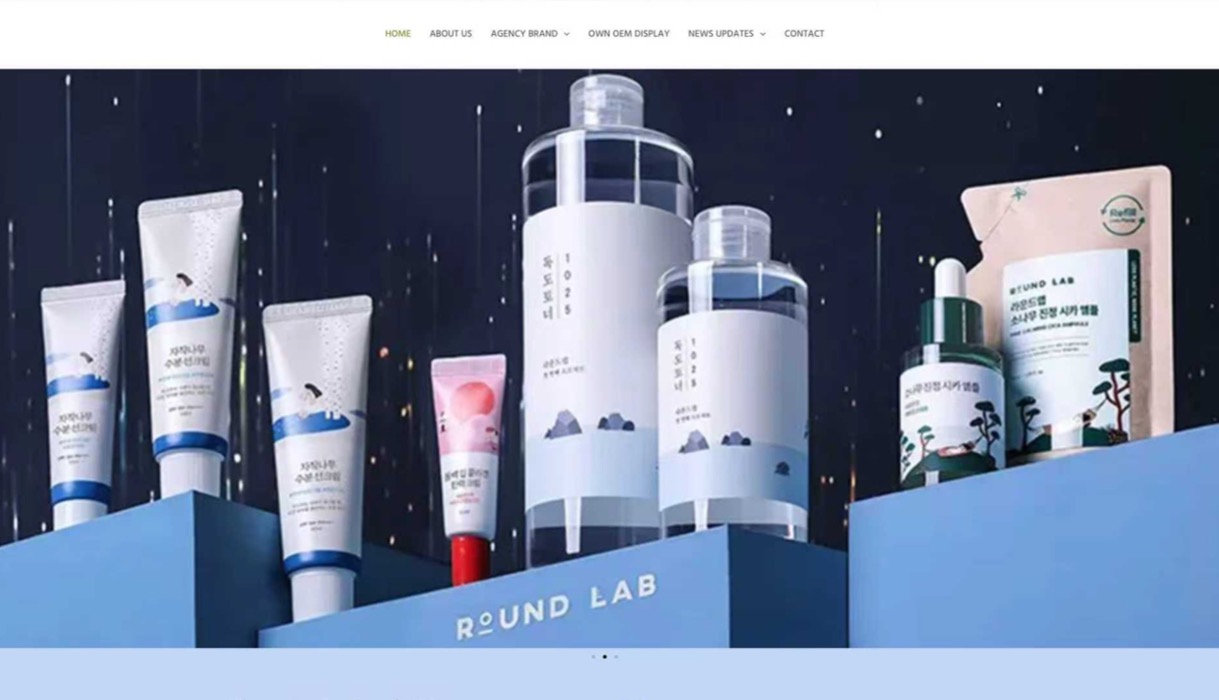
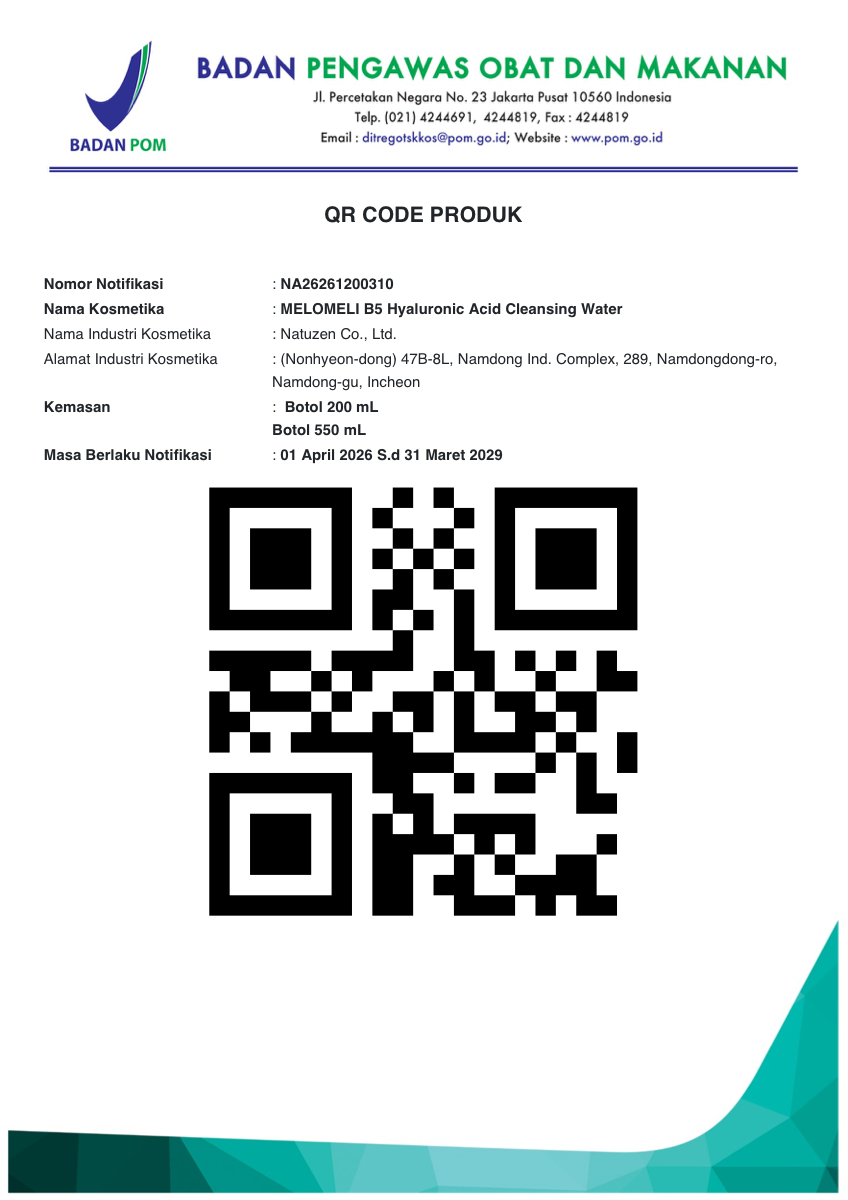
Regional partners move faster when they can see proof. Compliance updates, local activation cases, and visible product positioning help buyers understand that a brand is not only attractive on paper, but also ready for practical rollout.

Why portfolio structure changes the conversation

A curated portfolio gives distributors a clearer path to evaluation. Instead of reviewing isolated products, they can compare premium skincare, owned-brand opportunities, and market-ready category stories under one operating partner.

How QIANDU supports this path

QIANDU connects Korea-headquartered sourcing and brand access with regional market execution across APAC. That means portfolio presentation, proof-based communication, and a more structured route from first conversation to localized expansion.